I didn’t plan on taking “Art and Heritage of Livestock.” I had my senior year at Texas A&M mapped out, full of electives I actually wanted. One was a fly-tying class—“Entomology for the Angler.” But the professor died, and they canceled it. My advisor shuffled me into the art course instead.
It didn’t sound promising. But it turned out to be one of the best classes I ever took. We studied Western art: paintings, sculpture, writing, etc. Guest artists came in to talk about their work. They weren’t pretentious. They were ranchers, farmers, cowboys—people with dirt under their nails and stories to tell. They painted and wrote what they knew, capturing the world around them. It was real and I loved it.
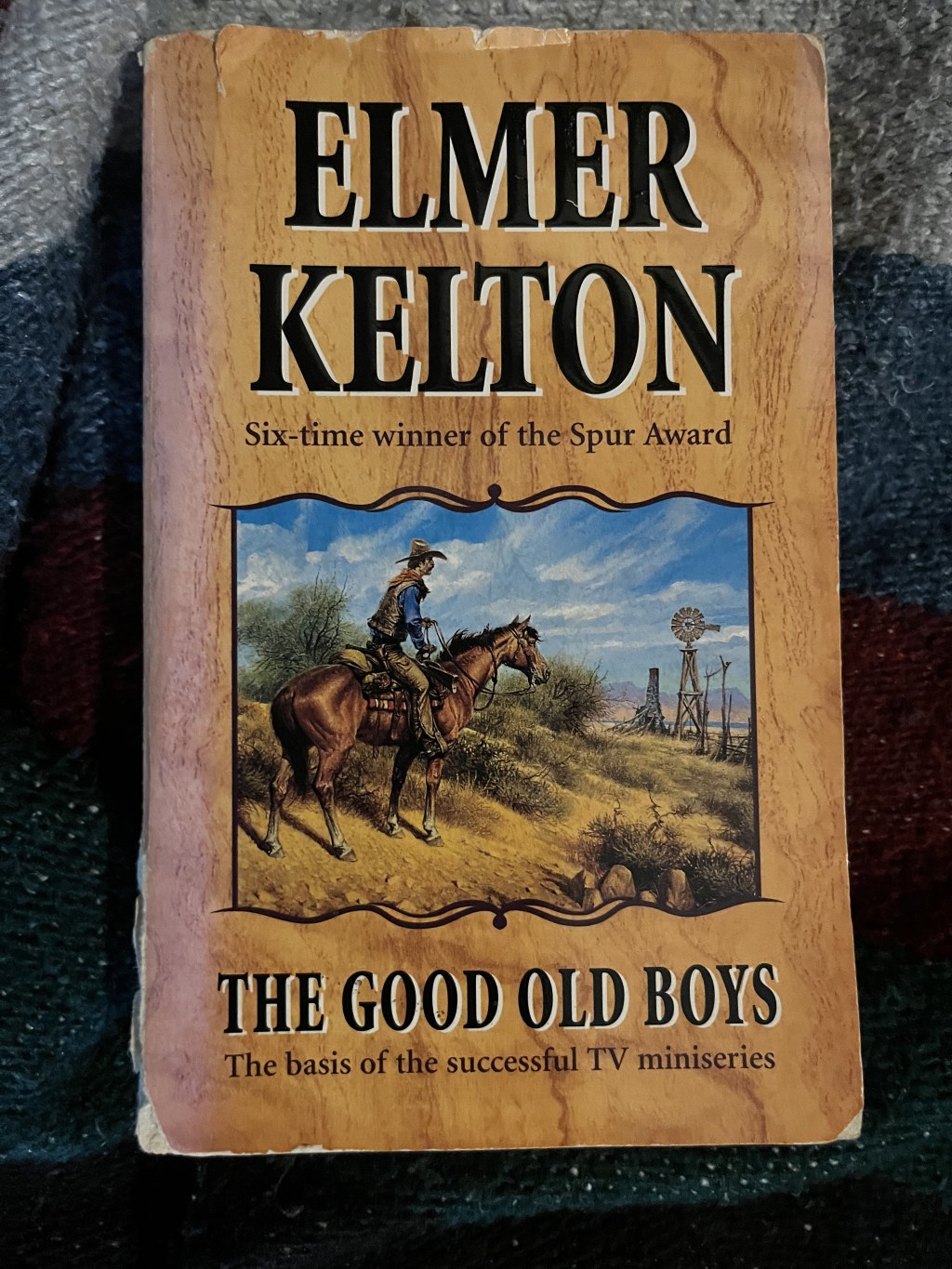
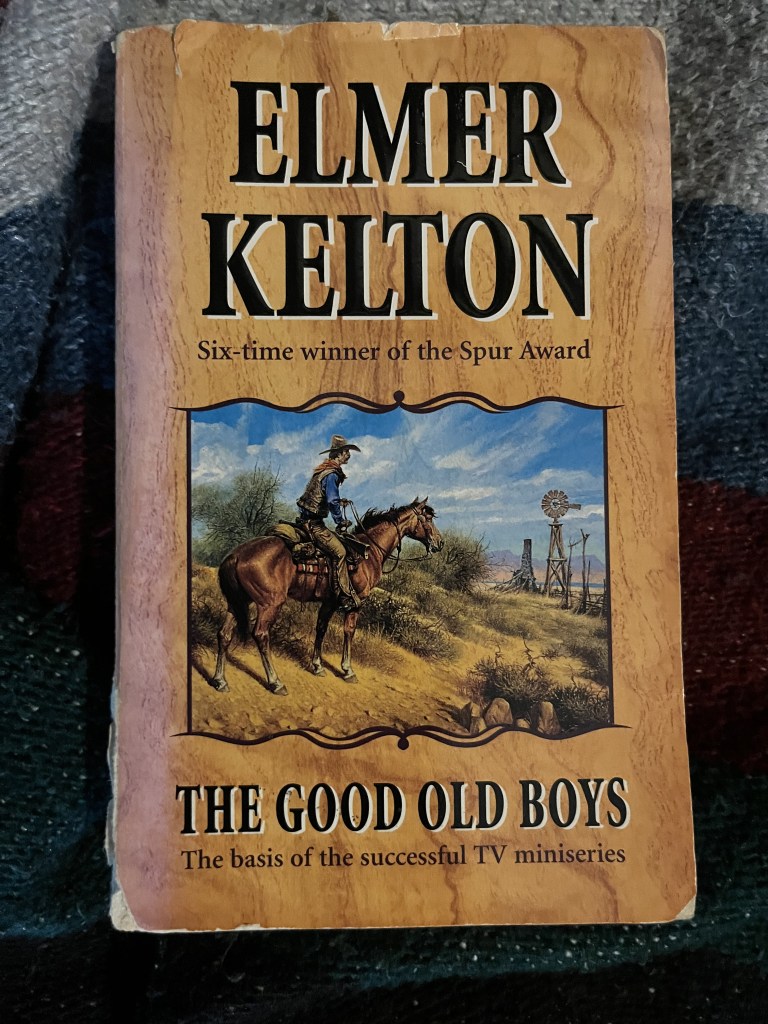
One of those guest speakers was Elmer Kelton. I hadn’t heard of him before, but I grabbed two of his paperbacks—Texas Sunrise and Stand Proud—for him to sign. I had originally planned to give them as gifts to a favorite uncle. I never did.
Most of the other students had brought only one book for Kelton to sign. When I handed him two, he gave me a look that I still think about from time to time. Was it slight annoyance at breaking the one-book norm? Or maybe surprise at my choice of books, neither of which were his best sellers? I’m not sure, but the memory makes me laugh. It was that perfect brand of crusty country personality that I love so much.
Kelton’s impact on me didn’t hit all at once. It crept in over time, as I read his books and learned about his life. His writing style—sometimes labeled “Western literature” rather than traditional genre fiction—spoke to me in a way few others have. He didn’t write about invincible heroes; his characters were flawed, ordinary people trying to make sense of their world. As Kelton himself put it, his protagonists weren’t 6 feet tall and fearless—they were 5’8” and nervous. His prose balanced punchy, terse sentences with wit and dry humor. That’s the kind of writing I want to do.
But it wasn’t just his words that inspired me. His life did too. Kelton grew up on a ranch, the son of a foreman, but wasn’t considered much of a hand. I related to that. I was always on the periphery of agriculture—growing up in San Antonio and participating in FFA in high school, though I never raised an animal. They called people like me “ag-alongs.”
Kelton studied journalism at The University of Texas (tragically, for an Aggie like me), and he spent years as an agricultural journalist, writing for the San Angelo Standard-Times and other publications. I followed a similar path, majoring in agricultural communications and journalism. Kelton wrote pulp stories on the side while holding down a full-time job and raising a family. I do too.
Looking back, I wish I could have told him all of this—how much his journey has encouraged me and how his writing reflects the kind of storyteller I want to be. But maybe it’s better this way. The lesson is there: If someone like Elmer Kelton could grind out a career by writing in the margins of life, while working and raising a family, then so can I. And so can you.
Who inspires you to keep going, even when the road feels long and hard? How does their story fuel yours?
 George Cottonwood Books
Leave a comment